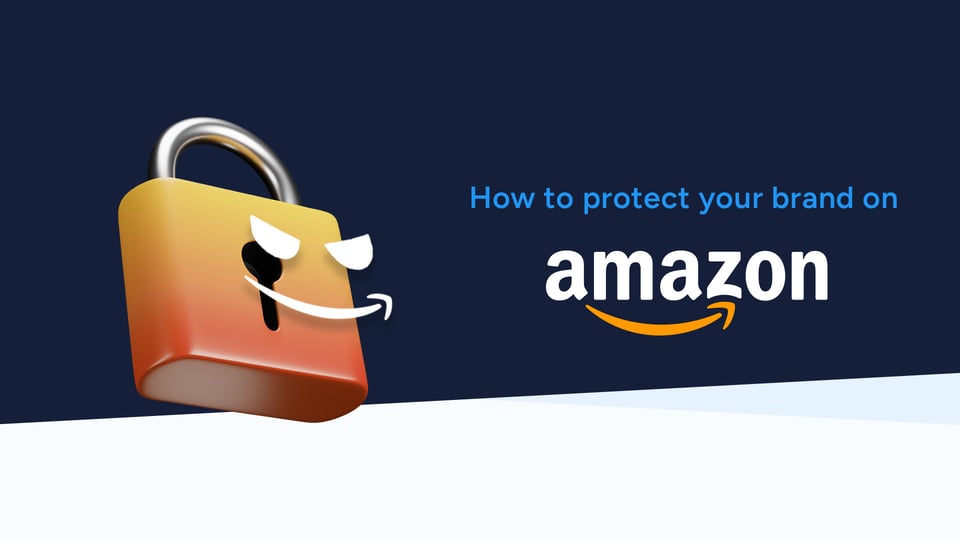
Unauthorized sellers can quietly erode your margins, damage your pricing strategy, and weaken customer trust. On marketplaces like Amazon, where anyone can list products with relative ease, brand protection requires both proactive monitoring and decisive action.
Here is how to identify, remove, and prevent unauthorized sellers while protecting your brand integrity and profits.
Key Takeaways 💡
- Unauthorized sellers are third-party sellers offering your products without permission, often at reduced prices, damaging brand integrity and violating pricing policies.
- Impact on your business: These sellers can cause lost sales, reduce profit margins by creating price wars, and harm your brand’s reputation with inaccurate product listings.
- Where they operate: Unauthorized sellers frequently use major online platforms like Amazon, eBay, and Walmart, where they undercut pricing and disrupt reseller networks.
- Removing unauthorized sellers on Amazon: Legal measures like cease-and-desist letters or using Amazon’s Brand Registry and “Report a Violation” tools can help tackle unauthorized listings.
- Proactive steps: Regular price tracking and automated tools for monitoring and repricing can help authorized sellers stay competitive while protecting your brand’s minimum advertised price (MAP) agreements.
- Our platform monitors listings and automates pricing, helping you stay informed about potential unauthorized sellers.
- While we don't directly identify these sellers, our tools can bring them to your attention, making it easier to protect your brand across multiple marketplaces.
Who are unauthorized sellers and why they are a problem for brands?
A third-party unauthorized seller is any seller of your products that sells without your permission. These types of sellers commonly buy in bulk and sell, oftentimes cheaper in most instances, without regard to your brand guidelines.
This practice can disrupt your minimum advertised price (MAP) agreements, brand standards, and overall values. Sometimes, they may use your brand’s name or even create a new one to appear legitimate.
Unauthorized sellers can negatively impact your business in several ways:
- Losing sales to unauthorized sellers: By pricing your products below the suggested retail price, unauthorized sellers attract customers who would otherwise buy from your approved resellers. On Amazon, they may even set up multiple listings to increase visibility and improve their chances of winning the Buy Box.
- Reducing profit margins: By ignoring your MAP policy, unauthorized sellers trigger price wars where all sellers are forced to lower their prices to stay competitive. This reduction in pricing cuts into net profits, often causing approved resellers to abandon your products altogether.
- Hurting your brand’s reputation: Because such unauthorized resellers are not your affiliates, they could then be posting inaccurate product listings, maybe using very old photos or other wrong descriptions. Poor customer experiences because of such errors reflect badly on your brand and will erode trust and customer loyalty in the long run.
Common places where unauthorized sellers operate
Most unauthorized resellers sell across major online platforms like Amazon, eBay, or Walmart, from where they can easily create disorder for your company. While these are great platforms for extending reach, they equally afford opportunities for unauthorized resellers to post your products at lower prices that can hurt your brand reputation and turn reseller relationships upside down.
Amazon, in particular, sees a high prevalence of unauthorized sellers due to its vast size and global accessibility. The ease with which anyone can list items on Amazon makes it a prime target for unauthorized sales, making brand protection more challenging. Understanding where these sellers thrive is the first step toward reclaiming control over your brand.
How can you remove unauthorized sellers on Amazon?
Step 1: Verify and document
Before taking action:
- Confirm the seller is not part of your authorized network
- Review pricing violations
- Document listing inaccuracies
- Collect screenshots and ASIN details
This documentation will support escalation.
Step 2: Use Amazon’s internal tools
If your brand is officially registered, take advantage of Amazon’s Brand Registry to safeguard your products on the platform.
The registry offers enhanced tools and support for brand protection. It is very important to ensure that your brand is registered before you get in touch with Amazon since they always focus on trying to assist registered brands. You will be enabled to take action against any unauthorized sellers once access to the infringement reporting tools is provided upon registration.
You can also use Amazon’s “Report a Violation” tool to submit evidence of unauthorized selling or listing misuse. Amazon prioritizes support for registered brands, making enrollment an essential step in brand protection.
Step 3: Consider legal action
If unauthorized sellers persist, legal escalation may be necessary. A cease-and-desist letter can deter sellers who are knowingly violating agreements or intellectual property rights.
However, legal action can be costly and time-consuming. Some sellers operate through shell companies or multiple accounts, which can complicate enforcement. Legal advice should always be sought before proceeding.
Step 4: Implement proactive marketplace control
Regularly tracking prices can help you and your authorized sellers avoid scrambling to adjust pricing as the market shifts downward. It can also alert you to unauthorized sellers when they begin to undercut your established pricing thresholds.
However, manual price tracking is impractical, especially in the fast-paced world of global ecommerce. Automated repricing tools take the burden off by constantly monitoring and adjusting prices in real-time. These tools enable authorized sellers to remain competitive while adhering to your MAP policy.
By partnering with authorized sellers and implementing better control over distribution, you can maintain pricing integrity and protect your brand.
How ChannelEngine can help
We offer powerful tools to help brands monitor their product listings and enforce pricing policies across multiple marketplaces, including Amazon. By integrating with our tools, you gain more control over your product listings and are a step closer to finding unauthorized sellers.
With our marketplace integration software, you can monitor your product listings and automate pricing. While we don't directly identify these sellers, our tools can bring them to your attention, making it easier to protect your brand across multiple marketplaces.
This comprehensive approach allows you to safeguard your brand across multiple marketplaces, reducing the impact of unauthorized sellers and keeping your product listings compliant.
Preventing unauthorized sellers in the future
Strengthen your distribution strategy
Alternatively, consider the selective distribution model that might afford better control and exclusivity, other than selling the products to distributors who would sell the products to retailers, consumers, and unauthorized sellers. It allows you to select only a network of certain authorized distributors and retailers that meet your specific criteria with care.
By doing so, you can restrict these sellers from operating outside the approved network, ensuring they only sell directly to end consumers, and providing a more secure and manageable distribution channel.
Use technology as your first line of defense
Technology plays an important role in protecting your brand from unauthorized selling and harming products. Equipped with the proper tool, you will be able to know where exactly your products are being sold and be alerted if there is a violation of your brand guidelines.
Automated tracking systems enable you to detect suspicious activity, such as pricing discrepancies or unauthorized listings, and take action before these issues escalate. We offer a multi-channel ecommerce solution that is invaluable for streamlining your distribution and monitoring sellers across multiple platforms.
With powerful tracking and reporting, we let you stay on top of your product listings, reduce the risk of unauthorized resellers, and control your distribution network. These technologies can be integrated into your brand protection strategy, placed at the front of your defense for your brand's reputation, and help avoid future problems regarding unauthorized sellers.
Frequently asked questions
➡️Can I remove unauthorized sellers if they are selling genuine products?
Removing a seller offering genuine inventory can be difficult. In many regions, resale of authentic goods is allowed under the first sale doctrine. However, you may have grounds for removal if the seller is violating trademark rights, misrepresenting the product, altering packaging, breaching contractual agreements, or infringing on intellectual property. Enrollment in Amazon Brand Registry strengthens your ability to act. For complex cases, legal advice is recommended.
➡️How are unauthorized sellers getting access to my inventory?
Inventory leakage usually happens through distribution gaps. Common sources include bulk purchases from wholesalers, diversion by authorized resellers, liquidation channels, or gray market imports. Conducting distribution audits, tightening reseller agreements, and limiting access through selective distribution models can help identify and close these gaps.
➡️Why is Amazon allowing unauthorized sellers to list my products?
Amazon operates as an open marketplace. As long as a seller offers a genuine product and complies with marketplace policies, Amazon may allow the listing. The platform does not automatically enforce brand distribution agreements. That is why Brand Registry and documented intellectual property rights are critical for enforcement.
Stay in control of your brand
Unauthorized sellers can quietly undermine your pricing strategy, reseller relationships, and brand reputation. A structured approach that combines monitoring, Amazon enforcement tools, legal action when necessary, and strong distribution control reduces long-term impact.
As a multichannel marketplace integrator, ChannelEngine helps brands gain visibility across marketplaces, enforce pricing policies, and respond quickly to suspicious activity.
Book a free consultation with us to see how we can help you automate marketplace management and protect your brand across global ecommerce channels.