
Top ecommerce marketplaces in the world for 2027

Explore the top ecommerce marketplaces worldwide in 2027, from global leaders to key platforms in North America and Europe, and find the right channels for your brand.
Featured image for this blog post
Top ecommerce marketplaces in the world for 2027
20:48

Online marketplaces continue to shape how consumers discover, compare, and purchase products. According to ChannelEngine's Marketplace Shopping Behavior Report 2026, 37% of consumers begin their product search on marketplaces, ahead of search engines (23%) and brand websites (11%). For brands and retailers planning their ecommerce strategy for 2027, being present on the right marketplaces is increasingly important.

And while the opportunity is significant, the marketplace landscape is far from uniform. While global platforms account for enormous volumes of online sales, regional marketplaces remain important destinations for shoppers who prefer familiar local brands, payment methods, and delivery experiences.

The biggest marketplace isn't always the best marketplace for every brand. Regional shopping preferences, delivery expectations, and emerging commerce trends all influence where consumers choose to buy, as explored in DHL's E-Commerce Trends Report 2026.

For brands planning their 2027 strategy, the opportunity lies in combining global reach with relevant regional marketplaces. In this guide, we explore the world's leading ecommerce marketplaces by gross merchandise value (GMV), followed by key marketplaces in North America and Europe that brands and retailers should consider for 2027.
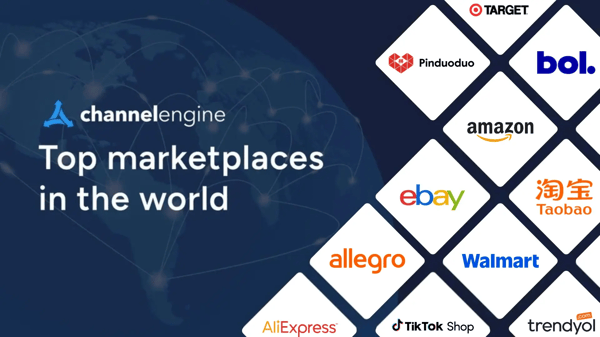

Top 5 global ecommerce marketplaces


Gross merchandise value (GMV) measures the total value of merchandise sold through a platform over a given period, making it a valuable indicator of marketplace scale and commercial opportunity. While GMV is an important consideration when evaluating marketplaces, brands should also look at factors such as product category, target audience, and regional relevance when deciding where to sell.

According to ECDB's 2026 global platform ranking, Amazon leads the world's ecommerce platforms by GMV, followed by major Chinese marketplaces.

1. Amazon


Amazon remains the world's largest ecommerce marketplace by GMV, with an estimated $846.1 billion in 2025, according to ECDB.

Its international presence and extensive product assortment make it a key marketplace for brands and retailers looking to reach customers across multiple countries. From consumer electronics and fashion to beauty, home, and everyday essentials, Amazon serves shoppers across a broad range of categories.

For businesses planning international expansion, Amazon offers access to established ecommerce markets across North America, Europe, and other regions. However, competition, marketplace fees, advertising costs, and fulfillment requirements should all be considered when developing a selling strategy.

2. Pinduoduo


Pinduoduo has become one of the world's largest ecommerce platforms, generating an estimated $780.5 billion in GMV in 2025, according to ECDB.

The Chinese marketplace is known for its mobile-first shopping experience, competitive pricing, and group-buying model, which encourages consumers to discover and purchase products through social interactions.

Its scale highlights the importance of China's domestic ecommerce market, where local platforms have developed shopping experiences tailored to consumer preferences.

Pinduoduo also belongs to PDD Holdings, the parent company of Temu, although the two operate as distinct platforms with different market strategies.

For international brands, Pinduoduo demonstrates the scale of China's marketplace opportunity, while market entry requirements and local operating conditions remain important considerations.

3. Douyin


Douyin has emerged as a major force in Chinese ecommerce, with ECDB estimating $656.4 billion in GMV in 2025.

Owned by ByteDance, Douyin combines short-form video, livestreaming, content discovery, and online shopping within a single platform. Its commerce model reflects the growing connection between entertainment and purchasing decisions.

Rather than relying entirely on traditional product searches, consumers can discover products through creators, livestreams, and personalized content before completing purchases within the platform.

Douyin operates primarily in China and is distinct from TikTok Shop, which serves other markets.

Its position among the world's largest ecommerce platforms illustrates how content-driven commerce has become an important part of the global marketplace landscape.

4. Taobao


Taobao, part of Alibaba Group, remains one of China's most established ecommerce platforms, with an estimated $566.3 billion in GMV in 2025, according to ECDB.

Originally developed around consumer-to-consumer transactions, Taobao has evolved into a broad ecommerce ecosystem featuring individual sellers, businesses, and brands.

The platform offers an extensive product assortment, covering fashion, electronics, beauty, home products, and many other categories.

For brands exploring China, Taobao illustrates the importance of understanding local marketplace ecosystems, where shopping habits, consumer expectations, and platform operations can differ significantly from those in Western markets.

5. Tmall


Tmall is another major Alibaba Group marketplace, generating an estimated $551.6 billion in GMV in 2025, according to ECDB.

Unlike Taobao's broader seller ecosystem, Tmall focuses on business-to-consumer commerce and branded retail.

It provides an established environment for domestic and international brands looking to reach Chinese consumers, with an emphasis on official brand storefronts and structured retail experiences.

For international businesses, Tmall and its cross-border offering, Tmall Global, represent different routes into China's ecommerce market, depending on seller eligibility and operational requirements.

Other global marketplaces worth watching


JD.com also remains a significant player in Chinese ecommerce, particularly through its retail and logistics infrastructure. Meanwhile, platforms such as Temu, AliExpress, and TikTok Shop are shaping cross-border selling and social commerce in international markets.

These platforms also highlight how the global ecommerce landscape continues to evolve, with new shopping experiences and business models creating additional opportunities for brands and retailers to reach customers worldwide.

5 leading ecommerce marketplaces in North America


North America remains one of the world's most important ecommerce regions, with a highly competitive marketplace landscape.

While Amazon has a dominant presence, brands can also reach consumers through established retailers, general marketplaces, curated platforms, and social commerce channels.

For businesses planning their North American marketplace strategy for 2027, diversification can help expand reach and reduce dependence on a single sales channel.

1. Amazon


Amazon continues to play a central role in US ecommerce, offering brands access to a large audience across almost every major product category.

Its combination of marketplace infrastructure, advertising tools, and fulfillment services makes it an important channel for both established brands and growing retailers.

For businesses already selling successfully on Amazon in one country, expansion into additional North American markets can provide opportunities to reach new customers. However, sellers need to account for differences in taxes, logistics, compliance, and local marketplace requirements.

Explore Amazon marketplace integration with ChannelEngine.

2. Walmart Marketplace


Walmart combines an extensive physical retail presence with a growing third-party ecommerce marketplace.

Its established position in the US retail market makes Walmart Marketplace an important alternative to Amazon for brands selling across categories including home, electronics, fashion, beauty, and everyday essentials.

Walmart's omnichannel model is particularly relevant for consumers who value convenient delivery and returns. Eligible marketplace sellers can benefit from services that connect online shopping with Walmart's physical retail infrastructure.

For brands seeking to diversify their US marketplace presence, Walmart provides access to a large retail audience and an established shopping environment.

Start selling on Walmart with ChannelEngine.

3. eBay


eBay remains one of North America's most established online marketplaces, serving buyers and sellers across a wide range of categories.

Although originally known for auctions and consumer-to-consumer transactions, eBay has developed into a marketplace supporting professional sellers, retailers, and brands.

Its product assortment spans electronics, automotive parts, fashion, collectibles, home goods, and refurbished products.

For brands and retailers, eBay can complement other sales channels by reaching consumers looking for both new and pre-owned products.

Its established resale ecosystem also makes it relevant for businesses exploring refurbished inventory and circular commerce.

Learn more about selling on eBay with ChannelEngine.

4. Target Plus


Target Plus offers a different marketplace model from the broad, open-assortment platforms that dominate ecommerce.

Operating as Target's curated third-party marketplace, Target Plus works with selected sellers to expand its online product assortment while maintaining a consistent retail experience.

The platform covers categories including home, electronics, beauty, fashion, and lifestyle products.

For established brands that meet its seller requirements, Target Plus can provide access to US consumers through a recognizable retail environment.

Its selective approach makes it particularly relevant for brands looking to expand distribution through a curated marketplace rather than simply increasing the number of channels on which they sell.

Explore Target Plus integration with ChannelEngine.

5. TikTok Shop


TikTok Shop represents a different approach to ecommerce, combining product discovery, creator content, and purchasing within a social platform.

Instead of relying primarily on consumers searching for products, TikTok Shop enables brands to reach shoppers through short-form videos, livestreams, and creator recommendations.

This model can be particularly relevant for visually demonstrable products, beauty, fashion, lifestyle, and consumer goods.

For brands developing their North American strategy, TikTok Shop offers an additional route to consumers through content-led shopping experiences.

However, success requires a different approach from traditional marketplaces, with greater emphasis on creative content, creator partnerships, and product presentation.

Discover TikTok Shop integration with ChannelEngine.

10 leading ecommerce marketplaces in Europe


Europe's ecommerce landscape is highly fragmented, with marketplace preferences varying significantly between countries.

While international platforms such as Amazon and AliExpress attract shoppers across multiple markets, regional marketplaces maintain strong positions in countries such as Poland, Germany, the Netherlands, Belgium, and France.

This local diversity is one of the most important considerations for brands planning European expansion. According to Cross-Border Commerce Europe's 2026 marketplace research, Europe's leading cross-border marketplaces continue to play a major role in regional ecommerce. The report projects approximately €190 billion in GMV for the top 100 cross-border marketplaces in 2027.

For brands, the opportunity lies in combining international reach with platforms that already have strong relationships with local shoppers.

1. Amazon


Amazon is a major ecommerce marketplace across Europe, with dedicated country marketplaces serving customers in markets including Germany, the UK, France, Italy, Spain, the Netherlands, Belgium, Poland, and Sweden.

Its international marketplace infrastructure makes it a natural starting point for brands looking to reach consumers across several European countries.

However, selling across Europe involves more than simply listing products in multiple countries. Local language requirements, VAT, product compliance, delivery expectations, and returns all influence marketplace performance.

For brands already established on Amazon, expanding into additional European marketplaces can support growth while building on an existing sales channel.

2. Temu


Temu has become a prominent cross-border ecommerce platform, attracting consumers through competitive pricing and a broad assortment of products.

Its expansion into Europe has made it increasingly relevant to the region's marketplace landscape.
The platform offers products across categories including fashion, home, electronics, accessories, and everyday essentials.

For brands and retailers, Temu represents a marketplace model shaped by international sourcing, price competition, and evolving local seller opportunities.

Its growing presence also highlights how quickly the European ecommerce landscape can change as newer platforms compete with established marketplaces.

3. AliExpress


AliExpress, part of Alibaba Group, is an established cross-border ecommerce marketplace connecting consumers with international sellers.

Its broad assortment includes electronics, accessories, fashion, home goods, beauty products, and many other categories.

The marketplace has developed a significant presence in several European markets, offering consumers access to international product selections.

For brands looking to expand cross-border sales, AliExpress can complement domestic marketplaces by reaching shoppers who are already comfortable purchasing from international sellers.

Seller eligibility, fulfillment arrangements, and local operating requirements should be considered when evaluating the platform.

4. Allegro


Allegro is one of Central and Eastern Europe's most important ecommerce marketplaces, with a particularly strong position in Poland.

Its marketplace presence has expanded into other regional markets, including Czechia, Slovakia, and Hungary.
Allegro offers a broad assortment of products, spanning electronics, home, fashion, beauty, automotive, and everyday goods.

For brands looking to enter Poland or strengthen their presence across Central Europe, Allegro provides access to an established local shopping destination.

Its regional strength demonstrates why international marketplace expansion should not rely exclusively on global platforms.

Explore selling on Allegro with ChannelEngine.

5. bol.


Bol. is one of the leading online shopping platforms in the Netherlands and Belgium.

Its strong local position makes it an important marketplace for brands and retailers targeting consumers in the Benelux region.

The platform offers products across a wide range of categories, including electronics, books, toys, home, beauty, and lifestyle.

For international brands, bol. illustrates the value of regional marketplaces with established consumer trust and locally adapted shopping experiences.

Brands expanding into the Netherlands and Belgium should consider bol. alongside larger international platforms when building their marketplace strategy.

Discover bol. integration with ChannelEngine.

6. Zalando


Zalando is one of Europe's leading online fashion and lifestyle platforms, operating across numerous European markets.

Unlike generalist marketplaces, Zalando focuses primarily on fashion, footwear, accessories, and lifestyle products.

Its category specialization makes it particularly relevant for fashion and lifestyle brands seeking access to European consumers.

For businesses operating in these categories, Zalando offers an alternative to broad marketplaces by connecting products with shoppers already looking for fashion-related purchases.

Its European footprint also makes it a useful channel for brands developing a coordinated regional marketplace strategy.

7. Kaufland Global Marketplace


Kaufland Global Marketplace offers brands and retailers access to multiple European ecommerce markets through its marketplace ecosystem.

Its broad product assortment includes electronics, home, garden, fashion, sports, and household products.

The platform's multi-country approach can be particularly relevant for sellers looking to expand across Europe without building a completely separate marketplace operation for each market.

For businesses targeting Germany and other European countries, Kaufland provides another route to local shoppers alongside Amazon and regional platforms.

8. OTTO


OTTO is an established German ecommerce retailer and marketplace with a strong position in one of Europe's largest online retail markets.

Its product offering includes home and living, fashion, electronics, furniture, and lifestyle categories.

For brands targeting Germany, OTTO can provide access to consumers who are familiar with its retail brand and shopping experience.

The marketplace operates with seller eligibility and quality requirements, making it particularly relevant for businesses prepared to meet its operational and customer-service standards.

Its position in Germany reinforces the importance of local marketplace choices when developing a European ecommerce strategy.

9. Cdiscount


Cdiscount is a major French ecommerce marketplace offering products across categories including electronics, home, appliances, furniture, fashion, and everyday goods.

Its established position in France makes it relevant for brands seeking alternatives to international marketplaces in the French market.

For businesses planning European expansion, Cdiscount provides an opportunity to reach French consumers through a locally recognized ecommerce platform.

As with other regional marketplaces, success depends on adapting product information, pricing, fulfillment, and customer service to local expectations.

10. Trendyol


Trendyol is one of Türkiye's leading ecommerce platforms and has expanded its international presence into European markets.

Originally associated strongly with fashion, Trendyol now offers a broad assortment covering beauty, electronics, home, lifestyle, and other categories.

Its growth reflects the increasing importance of regional ecommerce platforms that combine established domestic audiences with international expansion ambitions.

For brands interested in Türkiye and selected European markets, Trendyol can provide another route to consumers beyond the largest multinational marketplaces.

Building your global marketplace strategy for 2027


The world's largest marketplaces offer enormous reach, but size alone should not determine where brands choose to sell.

Amazon, Pinduoduo, and other global leaders demonstrate the scale of ecommerce, while regional platforms such as bol., Allegro, OTTO, and Cdiscount show why local marketplace preferences remain important.

Newer commerce models, including TikTok Shop and Temu, are also creating opportunities for brands to reach consumers through different shopping experiences. At the same time, consumers are increasingly using AI assistants and large language models (LLMs) to research products, compare options, and receive personalized recommendations. 

As AI-powered shopping experiences evolve, brands will need to think beyond traditional marketplaces and consider how their products can be discovered and purchased through these emerging channels. As Niels Floors, VP of Strategic Development at ChannelEngine, explains, maintaining accurate, structured, and up-to-date product information will be increasingly important for visibility across both traditional and AI-driven shopping experiences.

Making global marketplace selling easier with ChannelEngine


Selling on more marketplaces opens up exciting opportunities, but it also means more product listings to manage, more orders to process, and more moving parts to keep track of.

That's where we come in. At ChannelEngine, we help brands and retailers connect their existing ecommerce systems to marketplaces around the world, keeping product information, inventory, pricing, and orders in sync from one central platform.

So whether you're expanding on Amazon and Walmart or finding new customers through bol., Allegro, and other regional marketplaces, you can spend less time managing the day-to-day complexity and more time focusing on growing your business.

Ready to expand your marketplace presence in 2027?

Book a free consultation with ChannelEngine's marketplace specialists to discover the channels that best fit your business and growth strategy.

The global top five are ranked by estimated GMV using ECDB data. North American and European marketplaces are selected based on regional presence, commercial relevance, and opportunities for brands and retailers. Additional market context is informed by DHL and Cross-Border Commerce Europe research.

Published on 28 October 2026
Grace Mendez
Grace Mendez is the Marketing & Branding Specialist at ChannelEngine. Her expertise in project management, marketing, and employer branding shines through in her innovative communications and creative storytelling.
Grace Mendez
arrow_upward