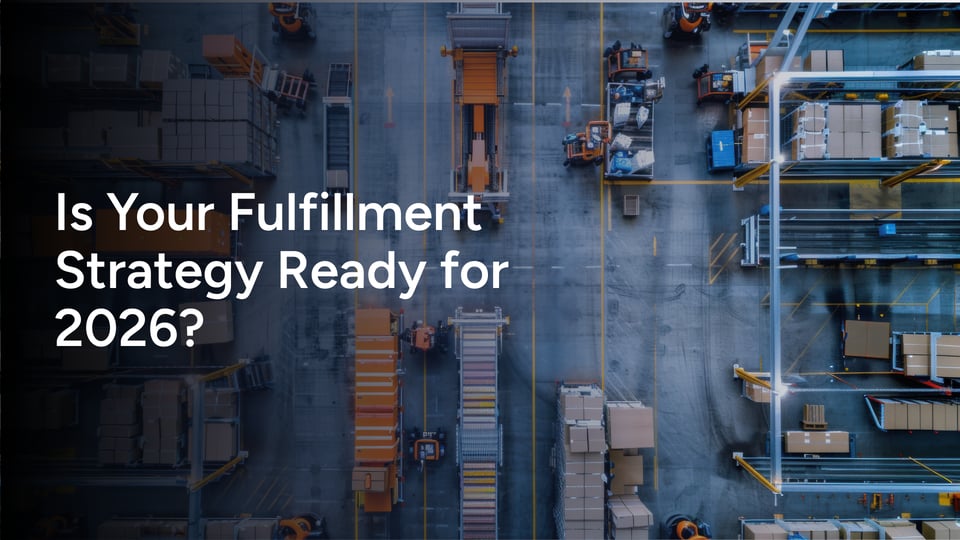
As brands prepare their marketplace strategy for 2026, one question keeps rising to the surface: Is your fulfillment operation capable of scaling at the same pace as your growth ambitions? The landscape is shifting quickly. Customers expect faster delivery, more transparency, smoother returns, and consistent experiences across every marketplace and region.
At the same time, logistics networks are becoming more complex as brands expand into new channels and new countries. Fulfillment is no longer a quiet operational task. It is one of the most decisive elements of marketplace performance and long-term growth.
This post explores why multichannel fulfillment is becoming harder to manage, how forward-thinking brands are transforming it, and how ChannelEngine brings the entire ecosystem together so you can grow with confidence.
The challenge: Fulfillment fatigue and fragmentation
After the intensity of Q4, many ecommerce teams are left navigating growing operational fatigue. Sales channels keep multiplying, but processes inside many organizations have not kept up. Teams are often stuck relying on spreadsheets, partial integrations, and manual workarounds that slow everything down.
Disconnected systems cause frequent stock inaccuracies, inconsistent order data, and delays that ripple into poor delivery performance. This erodes customer trust at precisely the moment when speed and reliability matter most. Returns add another layer of strain. Many brands still handle them with outdated workflows, which leads to slow restocking, lost revenue, and inventory that becomes unavailable for sale on the channels that need it most.
According to our Marketplace Seller Trends Report, 22% of ecommerce decision makers say logistical challenges are one of the main barriers preventing them from expanding to new marketplaces. This finding reinforces how operational strain, fragmented workflows, and fulfillment complexity are limiting growth even as marketplace opportunities increase.
Cross-border expansion increases the complexity even further. Duties, regional carriers, local delivery expectations, and varying regulatory requirements can turn fulfillment into a maze of operational risks. When all of this sits on top of unpredictable sales spikes, teams begin to feel the pressure of fragmented fulfillment systems that were never designed for modern multichannel ecommerce. In short, fulfillment fatigue is real, and it is becoming one of the biggest blockers for scalable growth.
The opportunity: Smart, scalable fulfillment in 2026
Leading brands are reimagining fulfillment as a strategic growth driver rather than a reactive cost center. The future of fulfillment is shaped by automation, intelligence, and unified data. AI-powered forecasting helps companies anticipate demand instead of scrambling to respond to it. Automated routing selects the best warehouse or partner for each order based on cost, location, and performance. Unified visibility ensures inventory is accurate across all channels, preventing overselling and improving delivery reliability.
This shift is already being accelerated by global fulfillment networks that remove operational friction and enable effortless multichannel scaling. Amazon Multi-Channel Fulfilment (MCF) is a strong example of this evolution.
By using a single inventory pool across all sales channels, Amazon MCF eliminates the need for multiple warehouses or complex logistics arrangements. Businesses can fulfill orders from websites, social commerce, and marketplaces with the same speed and reliability Amazon offers, which is as quick as 1-2 days in some regions. With AI-powered automation handling routing and predictive stock management, companies can expand internationally without establishing physical hubs abroad.
Louise Ryan,
Head of International at Amazon Multi-Channel Fulfilment
European fashion brands are also rethinking their fulfillment strategies as they prepare for 2026. Complexity across the region is immense, with dozens of languages, hyper-local delivery demands, and high return rates. ZEOS addresses this by offering a unified European fulfillment network that transforms operational fragmentation into a cross-border opportunity.
At the heart of this model is a single digital stock pool that connects all inventory into one intelligent system. Advanced algorithms allocate stock, orchestrate orders, and allow brands to ringfence inventory for specific channels. Specialized services, such as refurbishment for fashion returns, help brands preserve margins while improving availability. Recently, ChannelEngine announced a strategic partnership with ZEOS to make this connected fulfillment model directly accessible to fashion and lifestyle brands.
Andreas Hönl,
Director Commercial at ZEOS
How ChannelEngine connects the dots
ChannelEngine serves as the central hub for multichannel ecommerce. It streamlines and coordinates the entire operational flow between sales channels, inventory sources, and fulfillment partners, ensuring smooth and efficient end-to-end execution.
With ChannelEngine, brands can centralize their order management across marketplaces, sync inventory in real time, and route orders automatically to the right warehouse or partner. Our platform reduces manual processes that usually drain time after Q4 and helps your team avoid the errors that come with operating in siloed systems. Whether you work with regional 3PLs, global fulfillment networks, or your own internal warehouses, ChannelEngine makes sure all your systems speak the same language.
This creates a single source of truth that supports smarter forecasting, more accurate stock allocation, and more reliable delivery performance. As you expand into new markets or bring on new fulfillment partners, our marketplace integration software scales with you, offering the flexibility and automation needed for long-term growth.